Across UK schools, teachers are navigating increasingly complex learner profiles, particularly in relation to Social, Emotional and Mental Health (SEMH) needs and Special Educational Needs and Disabilities (SEND). Rising levels of anxiety, dysregulation, and low engagement have intensified the search for approaches that support emotional wellbeing alongside academic progress. While outdoor learning is sometimes treated as enrichment or a reward, a growing body of research suggests that natural environments can play a central role in inclusion, supporting sensory regulation, engagement, and a sense of belonging.
Why Nature Helps:
An Evidence-Informed Perspective
Environmental psychology has consistently demonstrated the impact of nature on human wellbeing. Two theoretical frameworks are particularly relevant for understanding why the outdoors supports SEMH and SEND learners:
Attention Restoration Theory (ART)
Kaplan’s (1995) theory proposes that natural environments allow the brain to rest from the sustained, effortful attention required in classroom settings. This restorative effect leads to improved concentration, reduced irritability, and calmer behaviour. These benefits are highly relevant to learners who struggle with hypervigilance, inattention, or emotional overwhelm.
Biophilia and Stress Reduction
Ulrich’s (1984) work on biophilia suggests that humans have an innate affinity for natural settings, which can lower physiological stress responses. For pupils experiencing chronic stress, trauma, or emotional dysregulation, green spaces act as a buffer that helps move the nervous system towards safety.
These theories underpin a wide range of studies showing improvements in mood, self-esteem, engagement, and behaviour when learners spend time outdoors (Mann et al., 2022; Mygind et al., 2019)
Sensory Regulation Through Nature
Many pupils with neurodivergent profiles experience sensory processing differences. The typical classroom with bright lights, echoing sounds, visual clutter, can easily overwhelm. By contrast, natural environments provide sensory richness without sensory overload.
Key benefits include:
• Gentle, patterned sounds (wind, birdsong, rustling leaves) that support calm.
• Textured materials such as bark, stones, and leaves that offer grounding tactile input.
• Variability of light that feels softer than fluorescent indoor lighting.
• Space to move, reducing the buildup of physical tension.
Teachers can support sensory regulation by identifying:
• Quiet “retreat spaces” outdoors
• Grounding activities (e.g., collecting natural textures)
• Proprioceptive opportunities (e.g., carrying logs, digging, balancing)
For many learners, the sensory affordances of nature make the outdoors a more accessible and compassionate learning environment.
Emotional Regulation and the Outdoors
Emotional regulation is a significant difficulty for many SEMH learners, particularly those with trauma histories. The outdoors supports co-regulation and de-escalation in ways that indoor spaces often cannot.
Nature supports emotion regulation through:
• Reduced crowding, lowering social pressure and triggers
• Calming visual stimuli that moderate emotional arousal
• Physical movement, which helps discharge stress hormones
• Routine and predictability, when outdoor learning is embedded consistently
Grounding exercises such as “5-4-3-2-1” sensory check-ins can be easily integrated into outdoor spaces and are often more effective when experienced directly with natural stimuli.
Increasing Engagement Through Autonomy and Movement
One reason outdoor learning is so effective for SEMH and SEND learners is that it naturally breaks the rigid structures of conventional classroom learning. Many pupils thrive when they experience:
– Greater autonomy
– Learners can choose materials, pace, and working locations. Autonomy has been shown to increase motivation and reduce oppositional behaviours (Ryan & Deci, 2000).
– Meaningful movement
Movement is essential for cognitive and emotional development. The outdoors provides authentic opportunities to climb, balance, jump, and explore—activities that regulate the brain and improve focus.
Concrete, tactile learning
Hands-on experiences support cognition and memory
Hands-on experiences support cognition and memory for neurodivergent learners and those who struggle with abstract concepts.
Examples of engaging, low-pressure outdoor activities include:
• Nature journaling
• Minibeast hunts
• Planting and gardening
• Sensory scavenger hunts
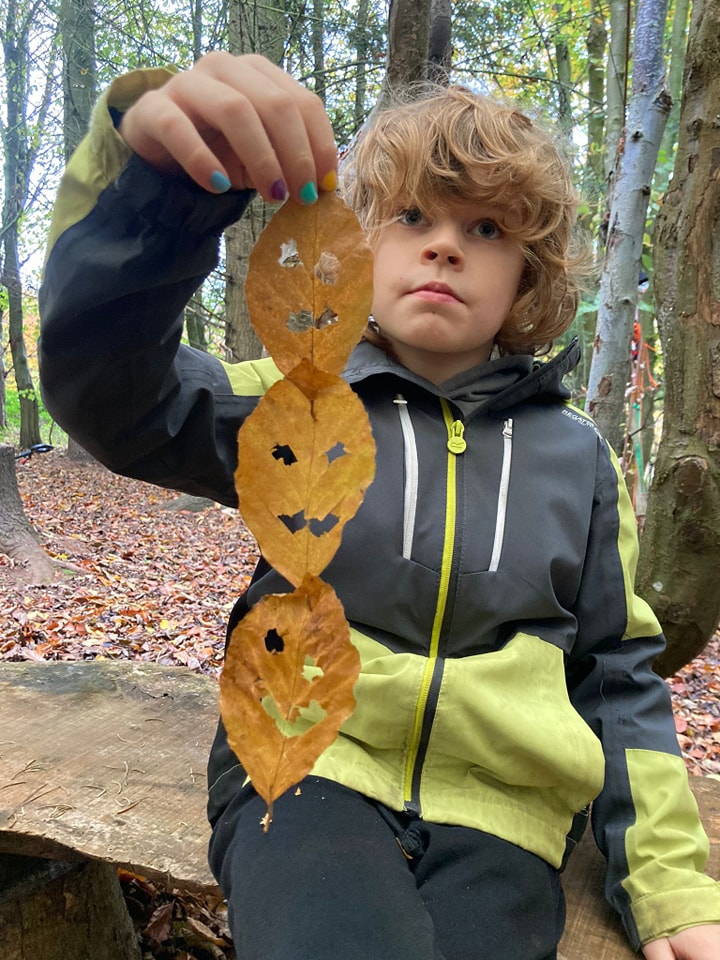
• Making shelters or natural sculptures
• Using trails or orienteering for maths and literacy tasks
When learning feels joyful and embodied, engagement naturally increases.
Belonging and Social Connection
A strong sense of belonging is protective for learners experiencing SEMH challenges. Outdoor settings help to soften social hierarchies, reduce peer conflict, and promote cooperative behaviour.
Shared outdoor activities such as habitat creation, gardening projects, or team problem-solving tasks give pupils a sense of collective purpose. Research shows that nature-rich group experiences enhance feelings of connection to others as well as to place (Richardson et al., 2020).
Through collaborative outdoor activities, pupils often discover roles and strengths that are not visible in classroom environments, boosting confidence and peer relationships.
Practical Strategies for Teachers
Outdoor learning does not require specialist qualifications or large budgets. These strategies make outdoor inclusion more effective:
- Visual supports
- Use visual timetables, clear boundary maps, and step-by-step task cards.
- Predictable routines
- Start and end sessions in the same place; establish clear norms.
- Sensory-friendly kits
Include ear defenders, fidgets, weighted items, or soft seating where appropriate. - Co-regulation outdoors
Teachers modelling calm, slow movements and steady breathing have a powerful impact when combined with nature’s natural calming effects. - Define “safe zones,” non-negotiable rules, and boundaries in advance
- Start small
Even 10 minutes outside can make a significant difference for regulation and connection.
References
Kaplan, S. (1995). The restorative benefits of nature: Toward an integrative framework. Journal of Environmental Psychology, 15(3), 169–182.
Mann, J., Gray, T., Truong, S., Sahlberg, P., & Bentsen, P. (2022). A systematic review of outdoor learning and its impact on school engagement. Frontiers in Psychology, 13, 849-862.
Mygind, L., Stevenson, M. P., Liebst, L. S., Konvalinka, I., & Bentsen, P. (2019). Stress response and cognitive performance modulation in natural environments: A quasi-experimental study. Environment and Behavior, 51(3), 274–299.
Richardson, M., Passmore, H.-A., Barbett, L., Lumber, R., Thomas, R., & Hunt, A. (2020). The green care code: How nature connectedness and simple activities help explain pro-environmental and wellbeing benefits. International Journal of Environmental Research and Public Health, 17(18), 1–21.
Ryan, R. M., & Deci, E. L. (2000). Self-determination theory and facilitation of intrinsic motivation, social development, and wellbeing. American Psychologist, 55(1), 68–78.
Ulrich, R. S. (1984). View through a window may influence recovery from surgery. Science, 224(4647), 420–421.